

Resources
Contributions for Spiritual Life

glauben heißt anvertrauen - Loslassen als Übung und Ausdruck innerer Freiheit
This article invites readers to discover faith as a path of entrusting oneself. In five simple exercises, it encourages becoming aware of one’s habits of control and needs – also through bodily awareness – and gently letting them go. Biblical images and impulses from Ignatian spirituality, especially the idea of indifference, help to develop inner freedom. Letting go is thus experienced not as a demand, but as a relief. Trust can grow – slowly and organically, in the midst of everyday life.

Ich komme zu mir, um zu DIR zu kommen - Zwei Erfahrungen für die eigene Gebetspraxis -
"Ein Gebetsrhythmus würde uns so guttun. So ähnlich wie Mönche im Alltag Routinen haben. Beten. Arbeiten. Ruhen. Betend Arbeiten. Im zunehmenden Bewusstsein von Gottes Gegenwart leben und weben und sein… Ich bin auf zwei Weisheiten gestoßen, die mir helfen, Gott regelmäßig zu suchen. Die erste von Ignatius von Loyola. Die zweite von Thomas Keating..."
The article introduces a body-awareness exercise through which one gains tangible contact with one’s inner state and with the intention of spending time before God. Both help to ensure that regular prayer becomes a genuine need rather than dissolving into arbitrariness.

On God’s nonverbal communication - The long-term effect of emotional resonance
God often communicates with us beyond words – through inner touch, resonance, and a quiet sense of connectedness. Such moments resemble meaningful encounters between people in which we feel seen and understood. This article invites readers to look for such bonding experiences in everyday life, to savor them, and to allow them to have an effect.
Focusing – body awareness as a path of healing
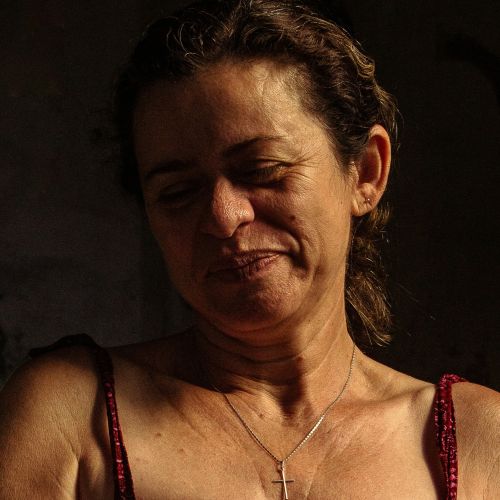
Focusing is a way of listening attentively to one’s own body and taking it seriously as part of the body–mind–soul unity. A loving, alert inward gaze has a healing effect – similar to a good, deep conversation in which one truly feels understood. What has long been overlooked can show itself, change, and release new vitality. The article shows how Focusing becomes both a path of self-knowledge and a spiritual approach in which God’s closeness can be experienced within one’s own inner life.

The missing link between gut and brain
- Wie ich über meinen Körper einen Zugang zu meinen Gefühlen fand und nebenbei lebendiger wurde -
Viele Menschen – besonders Männer – fühlen viel, haben aber kaum Worte oder bewussten Zugang zu ihren inneren Regungen. Der Artikel verbindet persönliche Erfahrung, Focusing und christliche Spiritualität zu einem Weg emotionaler Reifung. So wird der Körper zu einem wichtigen Ort innerer Klärung und geistlicher Erfahrung. Eine Übung und Fragen für Kleingruppen schließen den Text ab.

Accompanying traumatized people
„Nahe ist der HERR denen, die zerbrochenen Herzens sind" Ps 34,19
Mit dieser Verheißung rühren wir an ein skandalöses Paradoxon menschlicher Erfahrung. Wenn Gott liebend nah ist und sich um uns sorgt, warum bewahrt Gott nicht verletzliche Individuen und Gruppen vor dem Zerbrechen des Herzens und Körpers und den lebensverändernden Schäden traumatischer Gewalt? ...

Spiritual accompaniment in a group
It was the most intense group experience I have ever had. As trust grew, we were able to become truthful with one another, to show vulnerability, to weep together, to laugh together, and to marvel at how God’s Spirit heals and unfolds personalities.
Über einen Gruppenprozess der durch die Methode des "Clearness Committee" der Quäker (Society of Friends) inspiriert ist.

Auf dem Weg nach Hause - Geistliche Begleitung
In this article I describe what spiritual accompaniment is, where this form of pastoral care comes from, what characterizes it, and how it contributes to the unfolding and healing of our personality.
An Anabaptist perspective on how spiritual accompaniment can enrich congregational life and everyday discipleship.

How Body Awareness Informs the Practice of Spiritual Direction
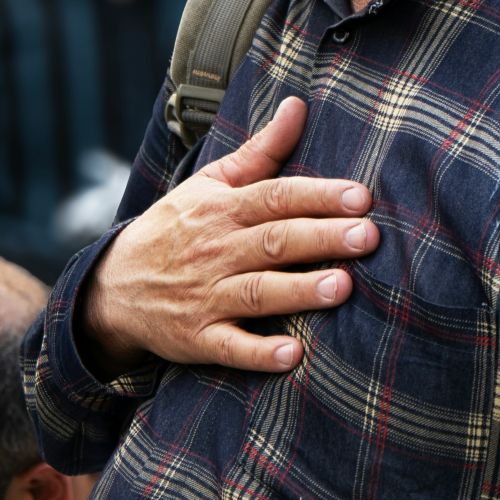
After a brief introduction about the role of the body in spirituality, the essay develops the main themes: Part A is about the physical sensibility to the movements of the Holy Spirit and the bodily perception of consolations. Part B is about the importance of body awareness for the spiritual director in the direction process. A few verbatim excerpts provide examples to my theses. Part C focuses on awareness towards a directee’s body language and the implications of this. At each end of these parts I added a personal note, giving an example of how the described content has been significant in my own personal life and/or in my spiritual direction ministry.
Wie Körperwahrnehmung die Praxis Geistlicher Begleitung bereichert
Nach einer kurzen Einführung über die Rolle des Körpers in der Spiritualität entwickelt der Aufsatz die Hauptthemen: Teil A handelt von der körperlichen Sensibilität für die Bewegungen des Heiligen Geistes und der körperlichen Wahrnehmung von Tröstungen. In Teil B geht es um die Bedeutung der Körperwahrnehmung für die/den Geistlichen Begleiter/In im Begleitprozess. Einige Verbatims zeigen Beispiele zu meinen Thesen. Teil C konzentriert sich auf das Bewusstsein für die Körpersprache einer begleiteten Person und die Auswirkungen davon. An jedem Ende dieser Teile habe ich eine persönliche Anmerkung hinzugefügt, die ein Beispiel dafür gibt, wie wichtig der beschriebene Inhalt in meinem eigenen persönlichen Leben und/oder in meiner Begleitpraxis war.